About Kevin O'Brien
Learn more about my background, leadership philosophy, and commitment to excellence in club management.
Club Management Excellence
Staying relevant is the single most important thing clubs can do to keep their current members happy and to attract new ones. Club members are looking for excellence in all aspects of their club experience.
Leading Excellence at The Penn Club
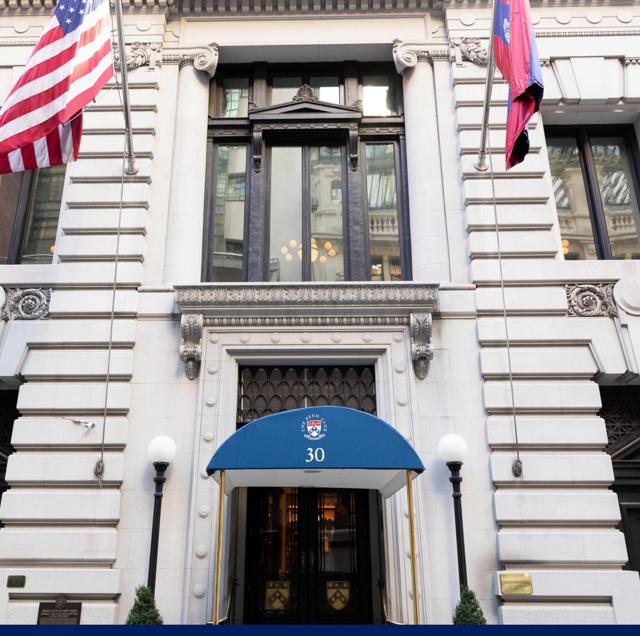
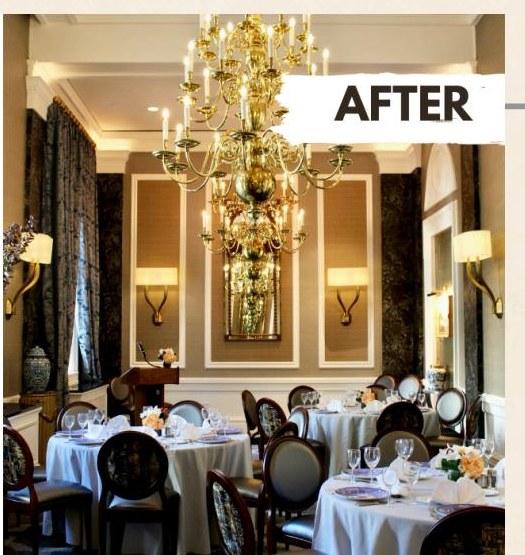
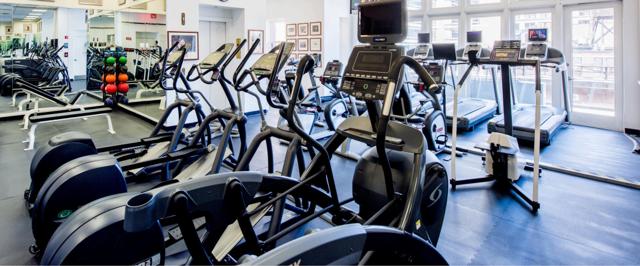
The Penn Club of New York is the private clubhouse of the University of Pennsylvania and select affiliate schools — chartered in 1901, opened at 30 West 44th Street in 1994, and housed in a landmark 1901 building on Clubhouse Row designed by Evarts Tracy and Egerton Swartwout of McKim, Mead & White. Thirteen floors hold the Main Dining Room and Grill Room, the Kite and Key Bar, the Benjamin Franklin Library, 39 guest rooms, meeting and private event spaces, and the Palestra fitness center. Kevin serves as its principal operating executive, leading an 80-person team and reporting to the Club President, officers, and Board of Directors.
Current Leadership Focus
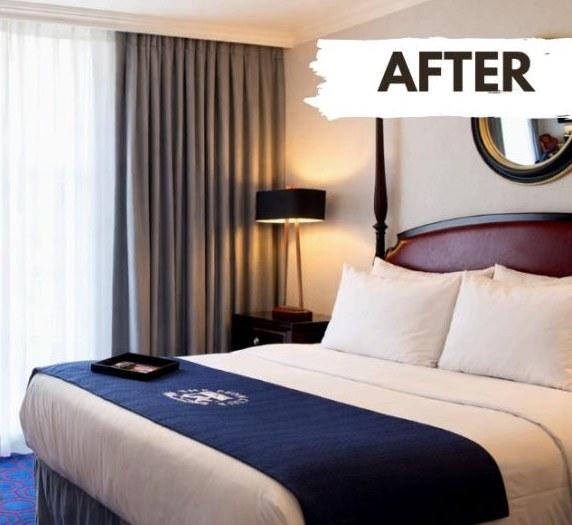
Balancing a multi-year capital strategy against operational continuity: hospitality upgrades, infrastructure renewal, and historic preservation delivered around member use, events, and guest-room demand. Partners with the Controller and senior team on financial controls, capital commitments, contracts, purchasing, and project reporting.
What That Looked Like
The Club by the Numbers
Operating results from The Penn Club's 2027–2028 Platinum Clubs of America submission.
Membership Reach
- ~8%
- Annual growth rate
- 521
- International members
- 70%
- Members living outside NYC
- 28
- US states plus D.C.
Programming
- 250+
- Programs annually
- 15,000+
- Attendees per year
- 16
- Active member societies
- 50%
- Programs that sell out
Dining & Events
- $2.5M+
- Annual F&B gross
- 300+
- Private events annually
- 3,000+
- Event guests served
- 40%
- Repeat bookings
Clubhouse & Network
- 39
- Guest rooms at 72% occupancy
- 13
- Floors
- 175
- Reciprocal clubs
- 23
- Countries
Scope of Leadership
How the work at The Penn Club breaks down, from capital planning through governance.
Capital Planning, Facilities & Preservation
- Built and executed a multi-year capital strategy that reinvested roughly $12 million with zero debt, balancing hospitality upgrades, infrastructure renewal, historic preservation, operational continuity, and member expectations.
- Established disciplined project oversight through scopes of work, phased schedules, design reviews, vendor coordination, approval controls, and clear reporting to Club leadership.
Membership, Brand & Member Experience
- Positioned membership growth as an institution-wide priority spanning recruitment, retention, engagement, communications, programming, dining, guest rooms, and private events — carrying membership past 7,200 and retention to 93.4%.
- Supported the Club's Distinguished Clubs and Platinum Clubs submissions by documenting measurable achievements, capital milestones, service results, and institutional strengths.
Operations & Organizational Leadership
- Directs an 80-person team across rooms, engineering, membership, finance, food and beverage, culinary operations, catering, programs, front office, housekeeping, and member services.
- Maintains operational continuity during extensive construction by sequencing projects around member use, events, guest-room demand, and service requirements.
Governance & Stakeholder Leadership
- Serves as principal operating partner to the Club President, officers, Board of Directors, and the House, Finance, Membership, Program, and Young Alumni committees, translating governance priorities into executable plans and measurable results.
- Provides concise, decision-ready reporting on membership, operations, staffing, capital projects, budgets, vendors, risks, and member-impact issues, including financials presented to the full membership at the Annual Meeting.
Hospitality, Dining, Rooms & Programs
- Oversees a $2.5M+ food and beverage operation and 300+ private events a year, spanning member dining, culinary services, 39 guest rooms, catering, meetings, and front-of-house services.
- Convenes nationally recognized voices for members — Howard Marks, Steve Forbes, Jim Cramer, Ambassador Marie Yovanovitch, Jennifer Egan, and Anthony Scaramucci among them — alongside winemaker dinners, gallery walks, and author series.
Initiatives Led
Beyond the capital program — the operating changes that moved membership, service, and standing.
Culinary Leadership
Recruited Executive Chef Michael Bourquin in 2026 — a Culinary Institute of America graduate with sixteen years at the Waldorf Astoria, where he cooked for four U.S. Presidents and heads of state — and built a signature series around Winemaker Dinners, the Passport Dining Series, Chef Dinners, and Taste of Tequila.
Member Engagement
Built a structured new-member journey from welcome email and app download through receptions, society chairs, and committee service. Retention moved from 92.1% in 2024 to 93.4% in 2026, supported by 250+ programs a year drawing 15,000+ attendees across culinary, culture, discovery, community, connection, and wellness.
Digital Presence
Relaunched the Club website, expanded the monthly newsletter from 8 to 24 pages, and grew Instagram followers roughly 180% and LinkedIn roughly 130%. The member app now has 5,536 downloads — 71% of members — with 2,701 active users in a typical month.
Talent & Culture
Sustained a service culture built on long tenure: four employees have been with the Club since it opened in 1994, six have passed 30 years, and every five-year milestone earns a bonus. Promoted from within, elevating a 1997 banquet coordinator to Director of Catering in 2025 and a 1996 front desk agent to Assistant Comptroller.
Industry Standing
Hosted the 2026 City Club Summit for the CMAA New York City chapter and the European Club Education Foundation tour, welcoming club leaders from across the country and around the world to the clubhouse.
Sustainability & Access
Reduced club-wide energy use through LED lighting and HVAC upgrades, added water-saving fixtures and recycling and food-waste programs, and brought the landmark building to ADA standards with accessible entrances, elevators, restrooms, a guest room, and elevator access to every event space.
Member Experience Focus Areas
Dining Experience
Emphasizes menu selection, impeccable service and quality with dining offerings. Creates a dining atmosphere that's busy enough to have energy, but not so busy that members have to wait in line for a table.
Facilities Management
Invests in fitness facilities, keeps group classes current, and ensures the club is attuned to the market.
Family Programming
Implements youth activities that coincide with casual dining options so that parents can enjoy themselves while their children dine and play with other member's children.
Financial Management
Budgeting Approach
Invests a considerable amount of time in the budgeting process by comparing performance against budget, using appropriate benchmarks, creating realistic projections, and involving key management staff.
Strategic Process
It is a disciplined process with a focus on 5 to 10 key areas and the KPIs related to those areas. Measures how performance deviates from the strategic plan and makes necessary adjustments.
Core Competencies
Ready to Learn More?
Explore my professional experience and portfolio of achievements.